
IIT-Roo-key to success: Indore brains sweat over multi-layered Advanced grid
Sunday sprint checks conceptual stamina as long numerical and partial-marking traps skew cut-off math
The selection process for admission into the Indian Institutes of Technology (IITs) concluded today as engineering aspirants across Indore completed the Joint Entrance Examination (JEE) Advanced 2026. Organized by IIT Roorkee, the national-level examination required candidates to appear for two mandatory three-hour sessions: Paper 1 from 9:00 AM to 12:00 Noon and Paper 2 from 2:30 PM to 5:30 PM.
Local examination centers along the Bypass Road, Dewas Naka, and Scheme No. 54 reported heavy traffic congestion early in the morning as candidates rushed to meet the strict 9:00 AM gate closure. Strict security, biometric verification, and dress code protocols were enforced across all venues, requiring candidates to leave footwear and personal belongings outside. Evaluating the structural layout of the paper, Indore-based JEE and Physics mentor Atil Arora observed that the examination prioritized multi-layered analytical application over speed, intentionally targeting cognitive fatigue during the afternoon session.
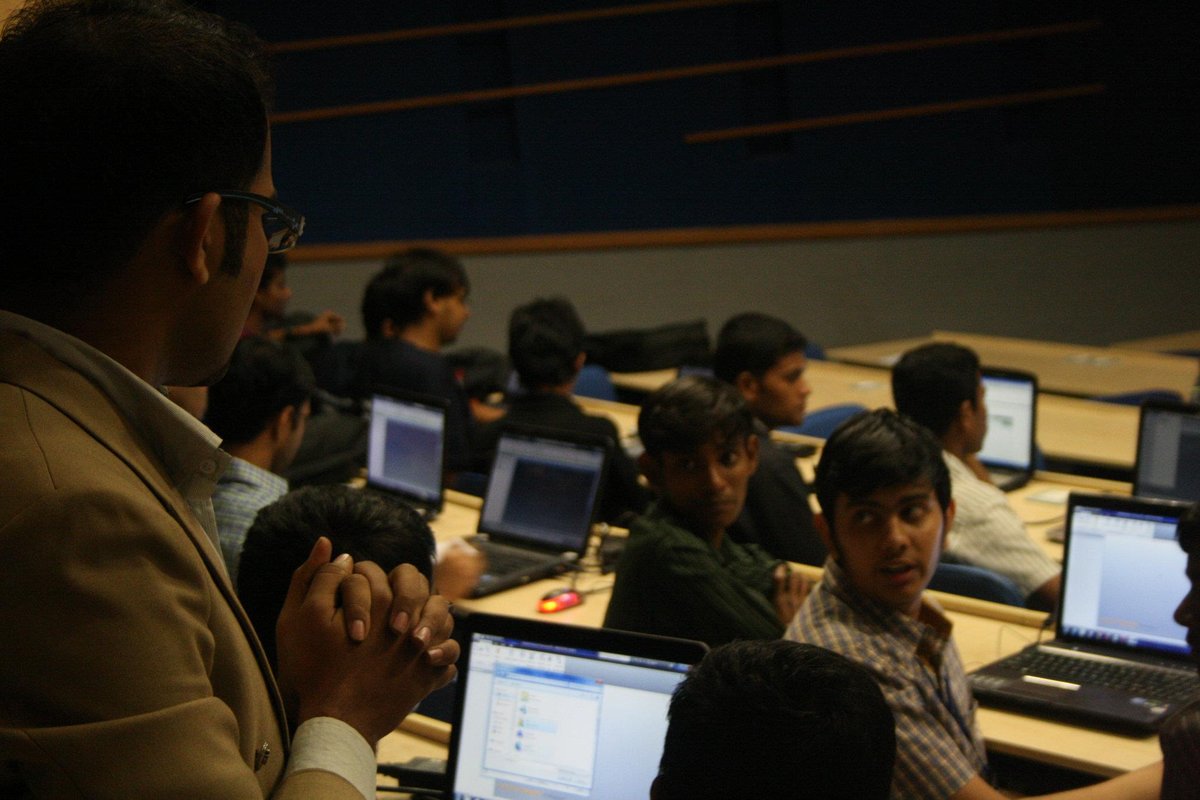 The 2026 Advanced grid demanded cross-topical synthesis and arithmetic precision.
Analysis of multiple-choice and option-based sections
The single correct multiple-choice questions offered a structured entry point but remained strictly application-based. Arora noted that the absolute absence of direct formula substitution required candidates to derive solutions by connecting multiple fundamental principles rather than relying on rote memory.
In contrast, the multiple correct option questions carried substantial weightage and required rigorous choice elimination to bypass traps. According to Arora, the options were designed to prevent guesswork, requiring meticulous verification of each statement. He stated that the partial marking scheme played a decisive role, as candidates who exercised restraint and marked only verified options would hold an advantage over those who risked negative marking through speculative choices.
Analysis of numerical and integrated questions
The integer and numerical value type questions across the Physics and Mathematics sections involved lengthy, multi-step calculations that made arithmetic precision a critical factor. Even when the underlying theoretical framework was identified quickly, candidates had to navigate complex, time-consuming arithmetic to reach the final value.
Additionally, the integrated paragraph and matrix match questions, predominantly in Physics and Chemistry, demanded cross-topical synthesis. Arora observed that these formats were fewer in number compared to previous editions but proved highly challenging, forcing candidates to link concepts from entirely separate chapters to solve a single integrated problem matrix.
Evaluation by city rankers and upcoming timeline
Interviews with Indore's top-performing students from the JEE Main 2026 sessions reflected these challenges:
Data released by the organizing institute outlines the post-exam schedule. Initial projections from local academic circles suggest that the overall qualifying thresholds may remain moderate to low due to the calculated length of the papers and the penalizing nature of the marking scheme.
Important Dates: JEE Advanced 2026 Roadmap
| Event | Date |
|---|---|
| Digital Response Sheets Release | May 21, 2026 |
| Provisional Answer Keys Published | May 25, 2026 |
| Declaration of Final Key & Results | June 1, 2026 |