India’s education landscape is undergoing a significant transformation with the implementation of the National Education Policy 2020. For many decades, classrooms followed a conventional teaching pattern in which the teacher explained concepts, students listened, and learning was largely measured through written examinations. While this system helped build discipline and conceptual foundations, it often focused heavily on memorisation rather than understanding and application.
The modern education system now recognises that the world has changed significantly, especially with the rise of artificial intelligence and rapid technological advancement. Students today require not only knowledge but also skills such as critical thinking, creativity, problem-solving, collaboration, and digital literacy. As a result, pedagogy is shifting from teacher-centred instruction to student-centred and skill-based learning.
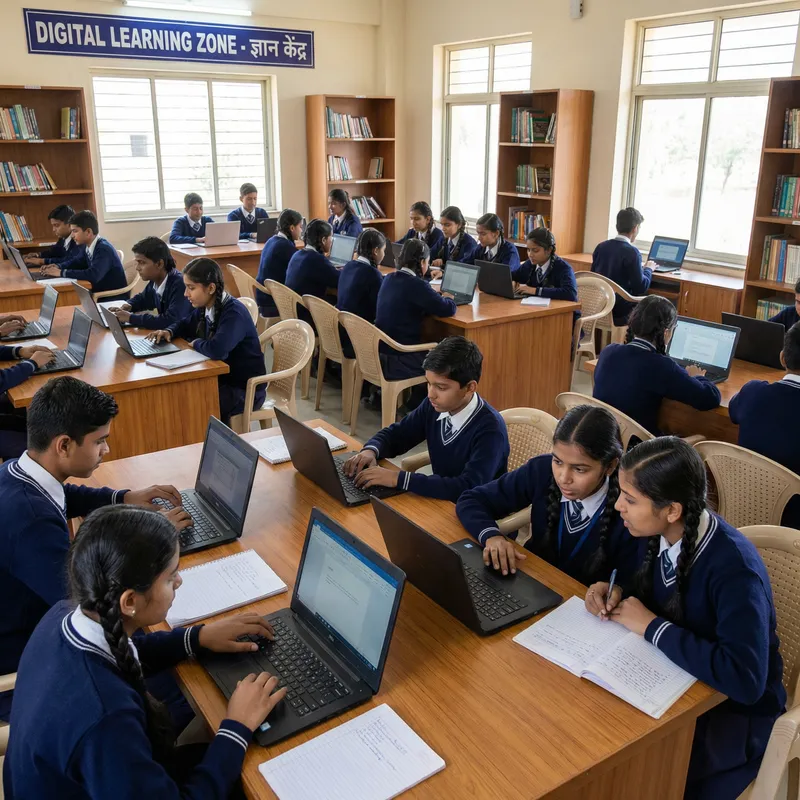
One of the key aspects of this shift is the integration of digital teaching methods. Smart classrooms, interactive presentations, educational videos, virtual simulations, and online learning platforms allow teachers to explain complex topics more visually and engagingly. Concepts that once seemed abstract can now be demonstrated through animations, digital graphs, and real-life applications. Such tools make learning more interesting and help students grasp ideas more effectively.
Another important change is the focus on activity-based and experiential learning. Instead of only listening to lectures, students are encouraged to participate in projects, group discussions, experiments, debates, and problem-solving activities. When learners actively engage with a topic, their understanding becomes deeper and their retention of knowledge increases significantly. Research in educational psychology shows that students remember far more when they learn by doing rather than through passive listening.
However, this transformation does not mean abandoning conventional teaching methods completely. Traditional practices such as clear explanation by teachers, regular practice, disciplined learning habits, and systematic revision remain highly valuable. Subjects like mathematics and science still require step-by-step conceptual teaching and continuous practice. The most effective approach is a balanced model that combines the strengths of conventional teaching with modern digital and experiential methods.
For this transition to succeed, teachers themselves must evolve as lifelong learners. In the modern AI-driven world, educators need to become comfortable with digital platforms, online teaching tools, and intelligent learning technologies. AI-based tools can help teachers create lesson plans, design quizzes, generate visual explanations, and analyse student performance more efficiently. By using these tools wisely, teachers can save time on routine tasks and focus more on mentoring and guiding students.
The role of a teacher is gradually shifting from being the sole source of information to becoming a facilitator, mentor, and learning guide. Teachers who adapt to new technologies and teaching methods will be able to create more engaging classrooms where curiosity, creativity, and innovation flourish.
Ultimately, the goal of this pedagogical shift is not just to produce students who score well in examinations, but to nurture independent thinkers, skilled professionals, and responsible citizens. By blending conventional wisdom with modern digital teaching and the possibilities offered by AI, India’s education system can prepare a generation ready to thrive in the future knowledge economy.
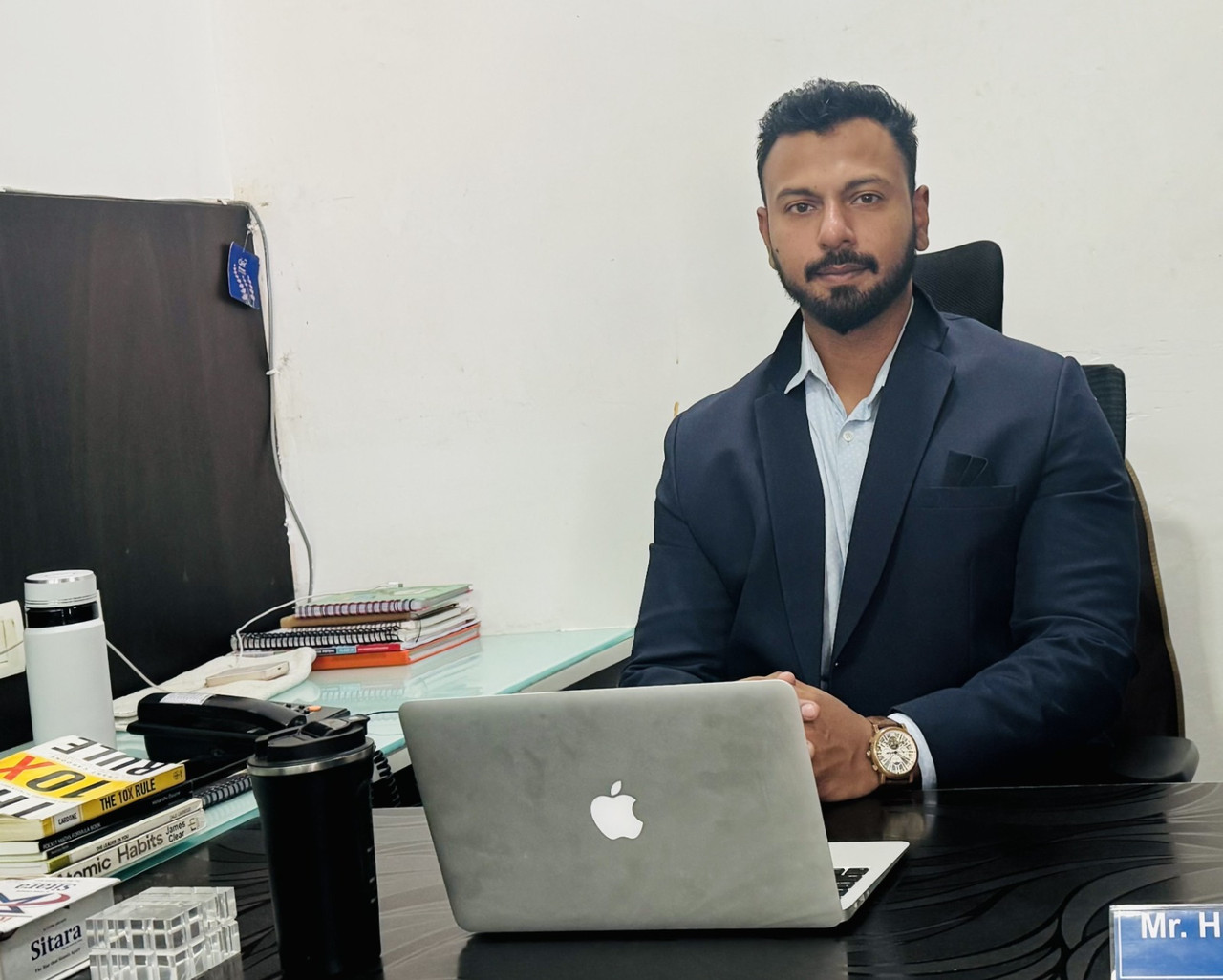
Himanshu Dusane
Vice Principal
Vidarbha Podar Learn School
The modern education system now recognises that the world has changed significantly, especially with the rise of artificial intelligence and rapid technological advancement. Students today require not only knowledge but also skills such as critical thinking, creativity, problem-solving, collaboration, and digital literacy. As a result, pedagogy is shifting from teacher-centred instruction to student-centred and skill-based learning.
One of the key aspects of this shift is the integration of digital teaching methods. Smart classrooms, interactive presentations, educational videos, virtual simulations, and online learning platforms allow teachers to explain complex topics more visually and engagingly. Concepts that once seemed abstract can now be demonstrated through animations, digital graphs, and real-life applications. Such tools make learning more interesting and help students grasp ideas more effectively.
Another important change is the focus on activity-based and experiential learning. Instead of only listening to lectures, students are encouraged to participate in projects, group discussions, experiments, debates, and problem-solving activities. When learners actively engage with a topic, their understanding becomes deeper and their retention of knowledge increases significantly. Research in educational psychology shows that students remember far more when they learn by doing rather than through passive listening.
However, this transformation does not mean abandoning conventional teaching methods completely. Traditional practices such as clear explanation by teachers, regular practice, disciplined learning habits, and systematic revision remain highly valuable. Subjects like mathematics and science still require step-by-step conceptual teaching and continuous practice. The most effective approach is a balanced model that combines the strengths of conventional teaching with modern digital and experiential methods.
For this transition to succeed, teachers themselves must evolve as lifelong learners. In the modern AI-driven world, educators need to become comfortable with digital platforms, online teaching tools, and intelligent learning technologies. AI-based tools can help teachers create lesson plans, design quizzes, generate visual explanations, and analyse student performance more efficiently. By using these tools wisely, teachers can save time on routine tasks and focus more on mentoring and guiding students.
The role of a teacher is gradually shifting from being the sole source of information to becoming a facilitator, mentor, and learning guide. Teachers who adapt to new technologies and teaching methods will be able to create more engaging classrooms where curiosity, creativity, and innovation flourish.
Ultimately, the goal of this pedagogical shift is not just to produce students who score well in examinations, but to nurture independent thinkers, skilled professionals, and responsible citizens. By blending conventional wisdom with modern digital teaching and the possibilities offered by AI, India’s education system can prepare a generation ready to thrive in the future knowledge economy.
Himanshu Dusane
Vice Principal
Vidarbha Podar Learn School