Women from Self-Help Groups Learn Sustainable Livelihood Lessons from Janak Didi in Indore
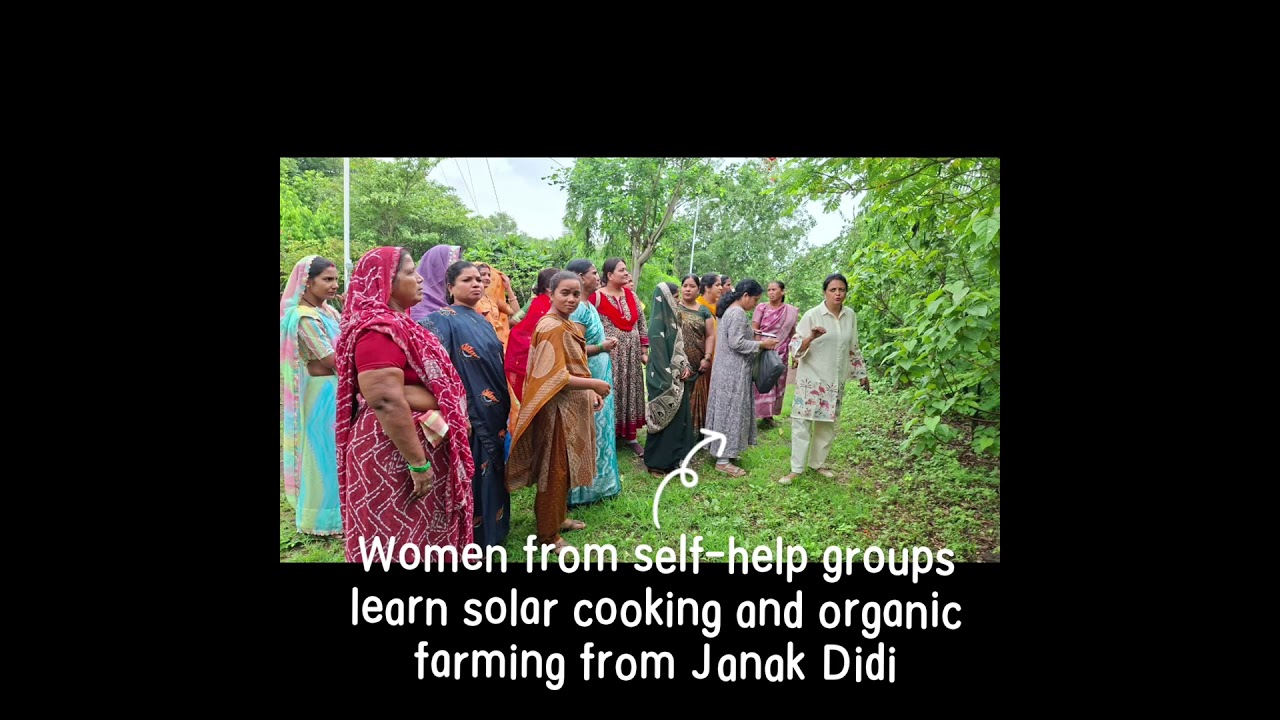
In the quiet, green expanse of Sanwer near Indore, a transformational shift in rural and semi-urban women's empowerment unfolded recently. Women from self-help groups affiliated with the Jan Vikas Society in Indore district—individuals who earn their daily bread selling fresh fruits and vegetables on street corners or working as manual daily wage labourers—stepped onto the grounds of the Jimmy McGilligan Centre for Sustainable Development. Their mission was clear: to discover how practical science, clean energy, and natural resource preservation can unlock genuine financial independence.
Under the guidance of Padmashri awardee Dr. Janak Palta McGilligan (affectionately known as Janak Didi), these resilient women received comprehensive, hands-on exposure to practical, zero-waste eco-technologies. The interactive workshop demonstrated how everyday household challenges can be converted into viable micro-enterprises right in their local communities.
1. Experiencing Complete Energy Self-Reliance in Action
Upon arrival, the delegation was welcomed into an environment that stands as a living proof-of-concept. Dr. Janak Palta McGilligan demonstrated how the entire Jimmy McGilligan Centre campus operates without relying on conventional grid infrastructure, powered entirely by integrated wind and solar energy systems. For women whose daily survival is heavily impacted by rising fuel prices and traditional energy costs, seeing a fully functioning, self-reliant campus offered an immediate eye-opener.
The core focus quickly moved to eliminating the health hazards and financial burdens of traditional cooking. Janak Didi introduced the participants to smokeless solar cooking using both box-type and parabolic solar cookers. To showcase the capabilities of solar thermal energy, meals were prepared right before their eyes using homegrown organic ingredients:
- Traditional staples: Dal (lentils), rice, and mixed organic vegetables.
- Confectionery and sweet delicacies: Kheer, freshly baked cakes, and cookies.
Seeing high temperatures generated cleanly without firewood, kerosene, or expensive LPG cylinders demonstrated not only fuel savings, but also a path toward smoke-free kitchen environments for rural households.
2. Solar Food Processing: Turning Raw Produce into Micro-Enterprises
For small-scale street vendors and daily wage workers, post-harvest losses and perishable inventory represent constant financial risks. Addressing this vulnerability directly, Janak Didi showcased practical solar food processing techniques designed to preserve food and add long-term value to raw agricultural produce.
Solar Drying Systems
Demonstrated the use of solar dehydrators to process seasonal vegetables like green chillies, fenugreek, green peas, tomatoes, amla, and potato chips for extended shelf life.
Thermal Food Processing
Showcased clean solar roasting techniques and specialized solar food processing, including frying local snacks like sev using focused solar concentrators.
Organic Color Extraction
Taught safe, natural pigment extraction converting organic marigold flowers, beetroots, and spinach leaves into non-toxic dye powders for festive and commercial use.
By learning how to dehydrate vegetables during peak seasonal harvests, these self-help group members discovered how to prevent crop loss, package long-lasting dried food items, and sell value-added products at premium prices during off-seasons. This single shift opens direct pathways toward micro-entrepreneurship.
3. Watch the Field Innovations in Action
Take an inside look at the campus environment, solar cooking demonstrations, and sustainable campus practices at the Jimmy McGilligan Centre:
4. Biodiversity, Indigenous Seeds, and Organic Farming Practices
The practical educational journey extended beyond clean solar technology into natural ecosystem management. Led by biotechnologist Abha Tiwari Didi, the participants toured the sprawling biodiversity farm and botanical conservation campus.
The women had the opportunity to study and observe several rare, culturally significant, and high-value timber and medicinal trees, including:
- Timber & Sacred Species: Sindoor, Teak, Mahogany, Parijat, Kadamb, Aritha, Ratanjyot, Mahua, and Kabeeth.
- Medicinal Plants & Herbs: Haddjod (bone-setter plant), Giloy, Punarnava, alongside various organic kitchen spices.
Abha Tiwari Didi offered in-depth explanations on preserving indigenous seed stocks, maintaining soil ecology without chemical pesticides, and combining traditional agricultural wisdom with modern biotechnological methods to sustain organic farms profitability.
Related Stories on The Indore Insider:
- Discover creative, hands-on learning activities in Rainy Day Wonders: Create, Cook, Solve.
- Stay updated on seasonal regional weather patterns with our Indore Weather Update & Monsoon Outlook.
- Explore meaningful community gatherings in Rooted in Celebration: Birthdays Marked with Green Initiatives.
5. Community Impact and the Road to Local Empowerment
The immersion program concluded with a interactive multimedia presentation by Dr. Janak Palta McGilligan, focusing on rural and tribal girls' upliftment, financial self-sufficiency, and adoption of green energy solutions across Malwa region villages.
Expressing deep appreciation, Sapna Kumawat, Project Manager at Jan Vikas Society, extended sincere thanks to Dr. McGilligan and her technical team for offering an impactful, practical learning opportunity for the participating women, trainers, and field coordinators.
For many participants, the visit marked their first direct experience with functioning renewable energy technologies. Leaving the centre, the women formally pledged to adopt zero-waste household habits, put solar drying and natural processing practices to work in their neighborhoods, and train peer self-help groups throughout Indore district.