
🐾 Guess the Animal: Imagine, Describe & Write
A fun interactive descriptive writing worksheet that helps children observe, imagine, use their five senses, write clues, and make the reader guess the animal.
How to Use This Writing Activity
Imagine you are describing something to a reader who cannot see it.
Your job is not simply to tell the reader the answer. Your job is to give enough interesting clues for the reader to build a picture in their mind.
Good descriptive writing uses specific details about appearance, movement, sounds, textures, surroundings and feelings.
Writing trick: Do not begin with the animal's name. Instead, describe it so carefully that the reader can guess it.
Think Like a Writer
- What does the animal look like?
- How does it move?
- What sound does it make?
- What might you smell near it?
- What might its skin, fur, feathers or scales feel like?
- Where does it live?
- What does it eat?
- What does it do when it is frightened or excited?
👀 The 5-Senses Writing Tool
Before writing, pause and imagine the scene. You do not need to force all five senses into every paragraph. Choose the details that make sense for your subject.
PART 1 — Read & Guess
Read each mystery description carefully. Do not rush to the answer. Look for physical clues, movement clues and behaviour clues.
Mystery Animal 1
READ • THINK • GUESSWhat clues helped you?
Mystery Animal 2
READ • THINK • GUESSWhat clues helped you?
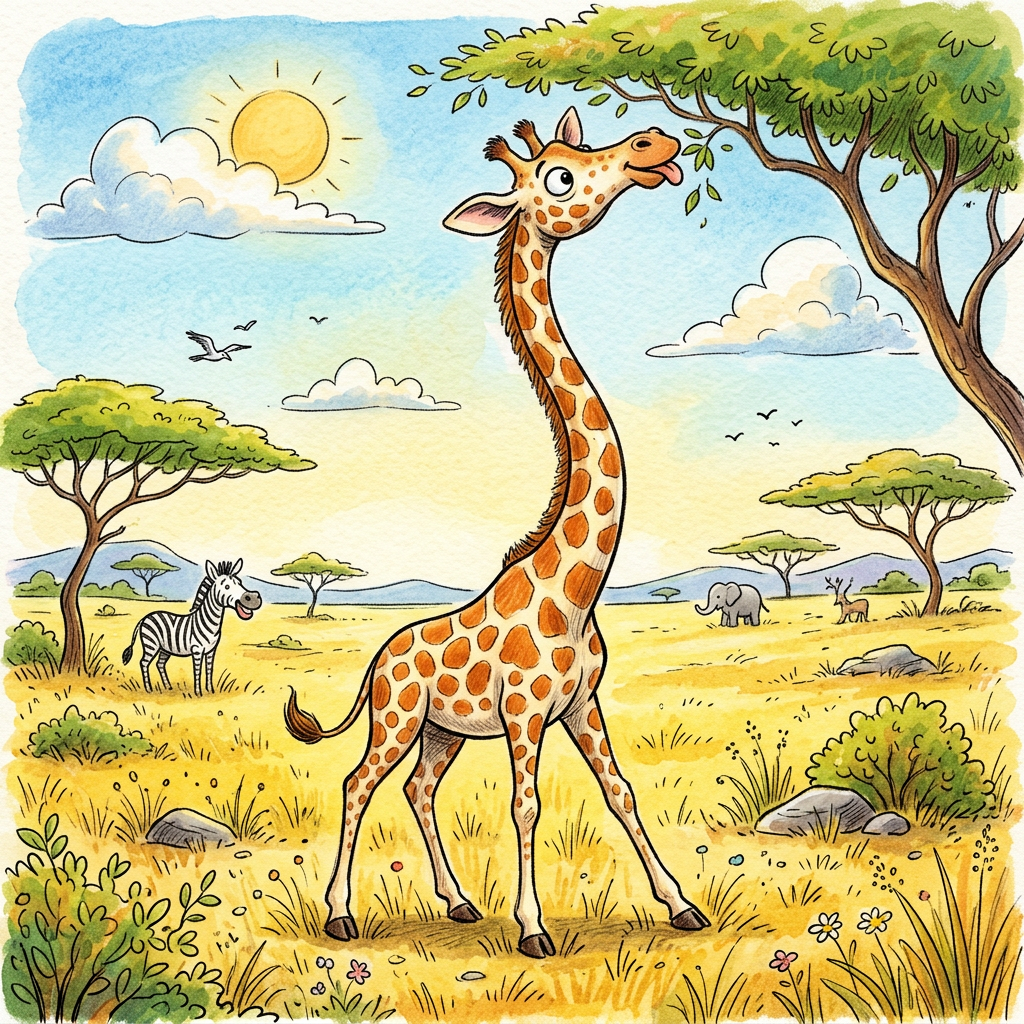
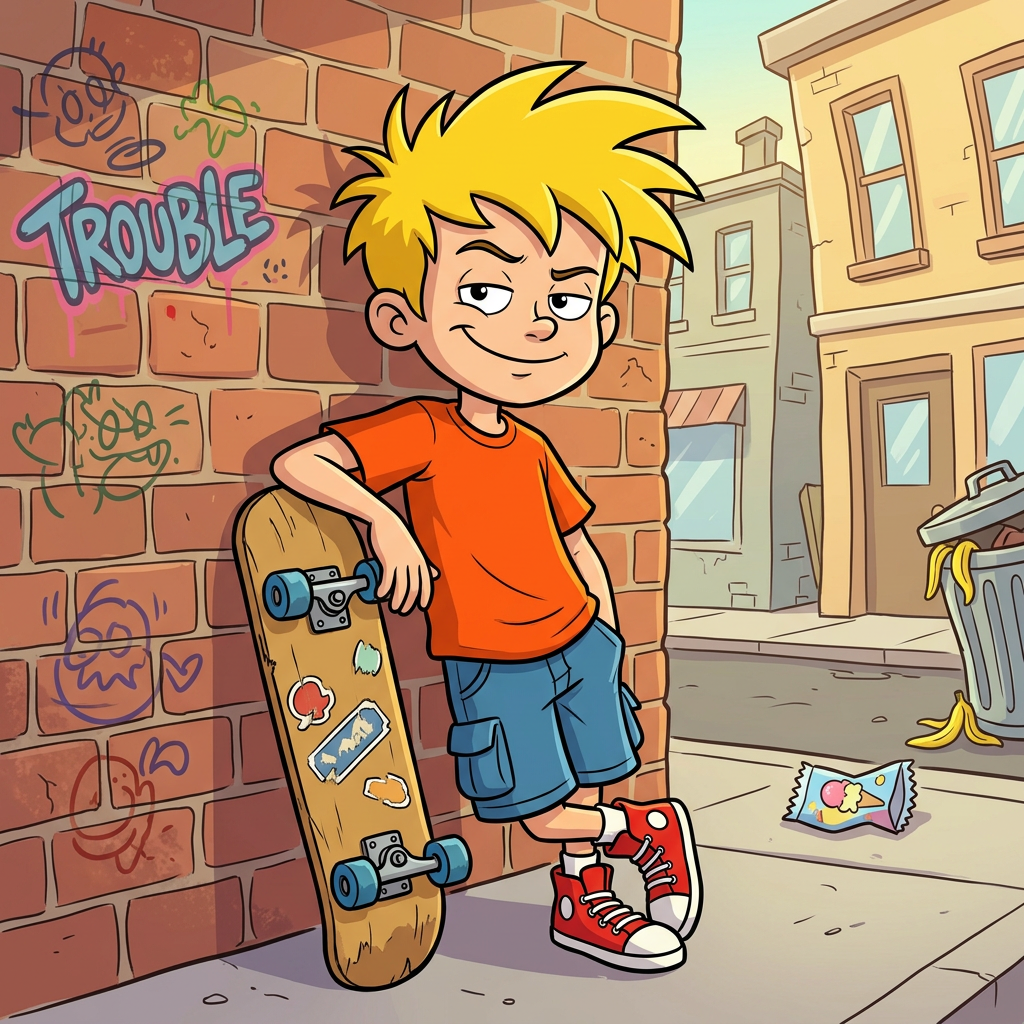
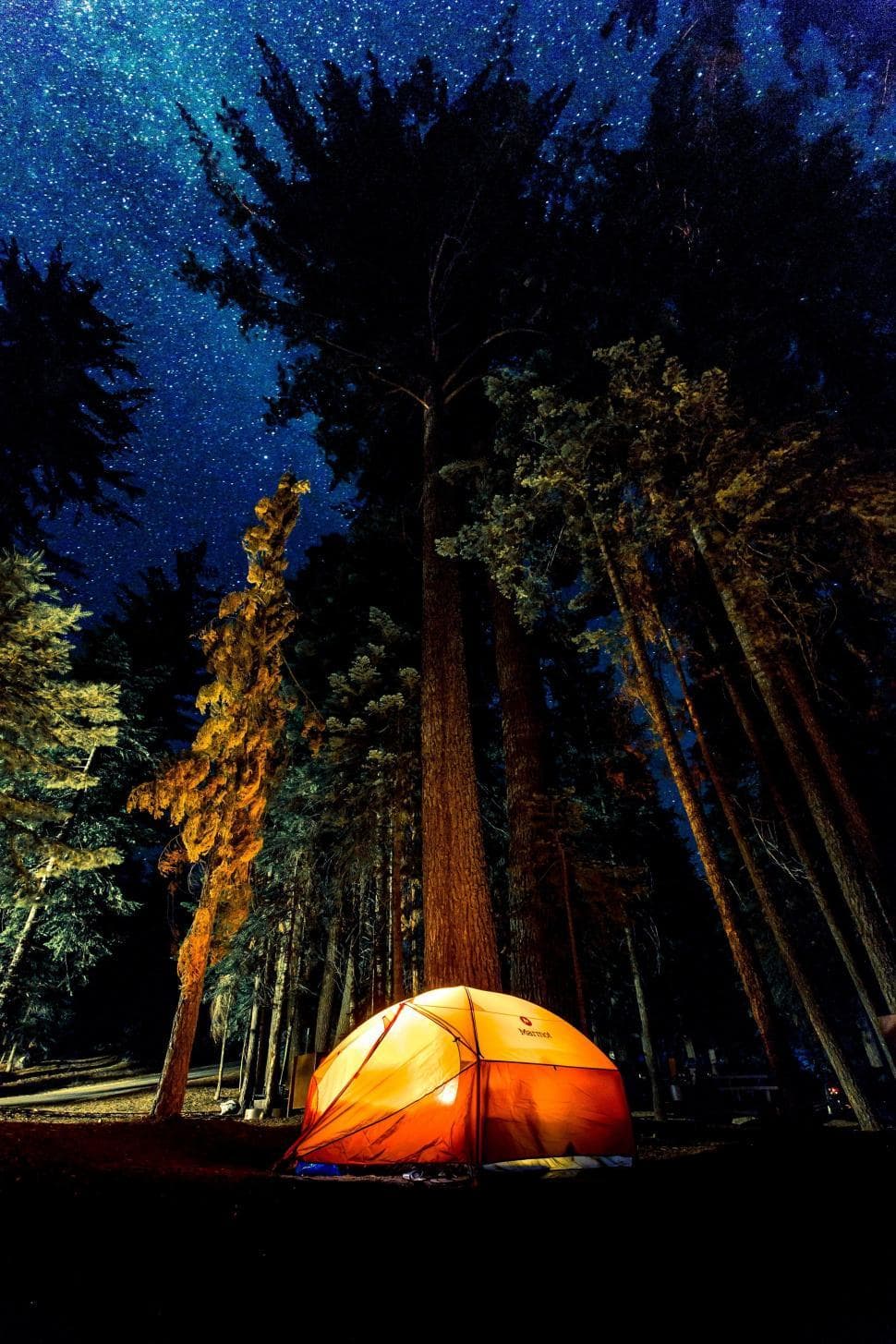
🖼️ Look, Imagine & Notice
Before writing, look carefully at a picture. Good writers do not only notice the main subject. They notice small details too.
🐾 PART 2 — Five Animals: Imagine & Write
Now it is your turn. Complete five animal descriptions. The reader should be able to guess the animal without you naming it.
- Choose an animal.
- Do not write its name in the description.
- Include at least three strong clues.
- Use sensory details where appropriate.
- Use interesting verbs instead of repeating “is” or “has.”
- Finish by asking someone to guess.
🐾 Animal Challenge 1
Think about its appearance, movement, sound and habitat.
🐾 Animal Challenge 2
🐾 Animal Challenge 3
🐾 Animal Challenge 4
🐾 Animal Challenge 5 — Mystery Master
⭐ My Writer's Self-Check
Before you finish, read your descriptions again. Check each box when you have completed the task.
✏️ Upgrade Your Description
Instead of...
- It is big.
- It is nice.
- It walks.
- It makes a sound.
Try...
- Its enormous body rises above the tall grass.
- Its silky fur shines in the afternoon sunlight.
- It pads quietly through the forest.
- A deep call echoes between the trees.
The goal is not to use the fanciest word possible. The goal is to choose a word that gives the reader a clearer picture.
📚 Continue Learning
Build more English language, reading, spelling and descriptive writing skills with these related resources.