Immunity, NEAT & Mobility: Why Daily Chores Don't Replace Exercise
When spending extended periods at home or leading a sedentary desk lifestyle, maintaining immune defense, joint mobility, and cardiovascular health becomes a top priority. In an insightful health awareness session hosted by Create Stories founder Deepak Sharma, leading physiotherapist Dr. Priyanka Tiwari Sharma broke down common misconceptions surrounding home physical activity, immune function, and body weight metrics.
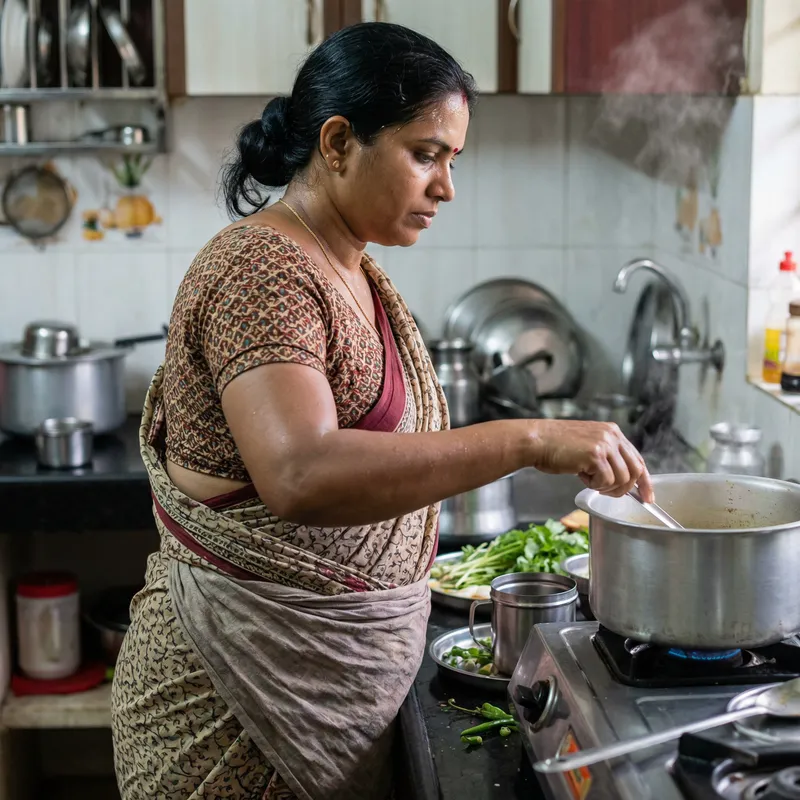
Structured daily stretching and functional movement build joint strength and boost immunity far better than routine domestic chores.
1. Chores (NEAT) vs. Structured Exercise: What's the Difference?
Many individuals believe that sweeping, cleaning, or running errands eliminates the need for daily workouts. In exercise physiology, chores fall under NEAT (Non-Exercise Activity Thermogenesis)—which burns calories but does not deliver the structural and immune benefits of targeted exercise.
| Health Aspect | Household Chores (NEAT) | Structured Exercise Routine |
|---|---|---|
| Muscle Engagement | Repetitive, asymmetrical strain on specific joints. | Balanced, full-body activation across all major muscle groups. |
| Cardiovascular Benefit | Inconsistent heart rate elevation. | Sustained target heart rate that builds stamina and circulatory strength. |
| Synovial Fluid & Joint Health | Minimal joint lubrication; potential postural fatigue. | Stimulates natural joint fluid production to reduce stiffness and pain. |
| Immune System Impact | Low-level energy expenditure without lymphatic flushing. | Accelerates immune cell circulation throughout the bloodstream. |
"Chores can tire you out, but they do not provide the necessary controlled movement or strength to all your muscles. Exercise requires intentionality." — Dr. Priyanka Tiwari Sharma
2. The Science: How Physical Movement Boosts Immunity
Exercise directly supports the immune system through several biological mechanisms:
- Enhanced Lymphatic Circulation: Unlike the cardiovascular system (which uses the heart as a pump), the lymphatic system relies strictly on muscle contractions to move immune cells through the body.
- Reduced Systemic Inflammation: Regular, moderate exercise lowers stress hormones like cortisol, preventing immune suppression during times of anxiety or lockdown.
- Targeted At-Home Movement: A simple 20-minute daily routine including lunges, dynamic body rotations, hamstring stretches, and jumping jacks keeps the circulatory and lymphatic systems functioning at peak efficiency.
3. Quick 10-Minute Daily Mobility & Immunity Routine
Follow this simple, physiotherapist-approved movement loop at home:
- Thoracic Book Openers (10 reps per side): Lie on your side, knees bent, and open your top arm like a book to open your chest and mid-back.
- Segmental Cat-Cow Flow (8 reps): On hands and knees, slowly round and arch your spine to improve spinal flexibility.
- Lower-Body Glute Bridges (12 reps): Lie on your back and lift your hips to activate glutes, core, and lower back stability.
- Standing High-Knee Marches (30 seconds): Stand tall and march in place to stimulate lymphatic flow and hip flexor strength.
4. Redefining Fitness: Why Scale Weight Isn't Everything
One of the biggest fitness misconceptions is equating weight loss with health. Scale weight only measures total mass—it does not account for muscle quality, bone density, or functional mobility.
- Functional Fitness: True fitness is the ability to carry out everyday activities without chronic joint or muscular pain.
- Pain is Not a Lifestyle: Dr. Priyanka urges individuals never to "befriend pain." Ignoring joint discomfort causes long-term biomechanical compensations.
- Mindful Nutrition: When staying indoors or leading a less active routine, adjust your dietary intake slightly below your full hunger level to avoid sluggishness and metabolic stress.
Related Health & Wellness Updates from Create Stories:
- Monsoon Eye Care Tips by Dr. Amit Solanki — Essential seasonal protection strategies to prevent eye infections and allergies.
- Create Stories: Adapting Health Habits as Weather Changes — Expert advice on adjusting routines and nutrition during seasonal transitions.
- Explore All Create Stories Initiatives — Browse full coverage of health awareness sessions and community stories in Indore.
Key Takeaway: Don't rely on sweeping or house cleaning for your daily health. Dedicate 20 to 30 minutes daily to structured functional movement, practice mindful eating, and prioritize mobility over scale weight.